


https://www.spingenie.com/slots/white-wizard/
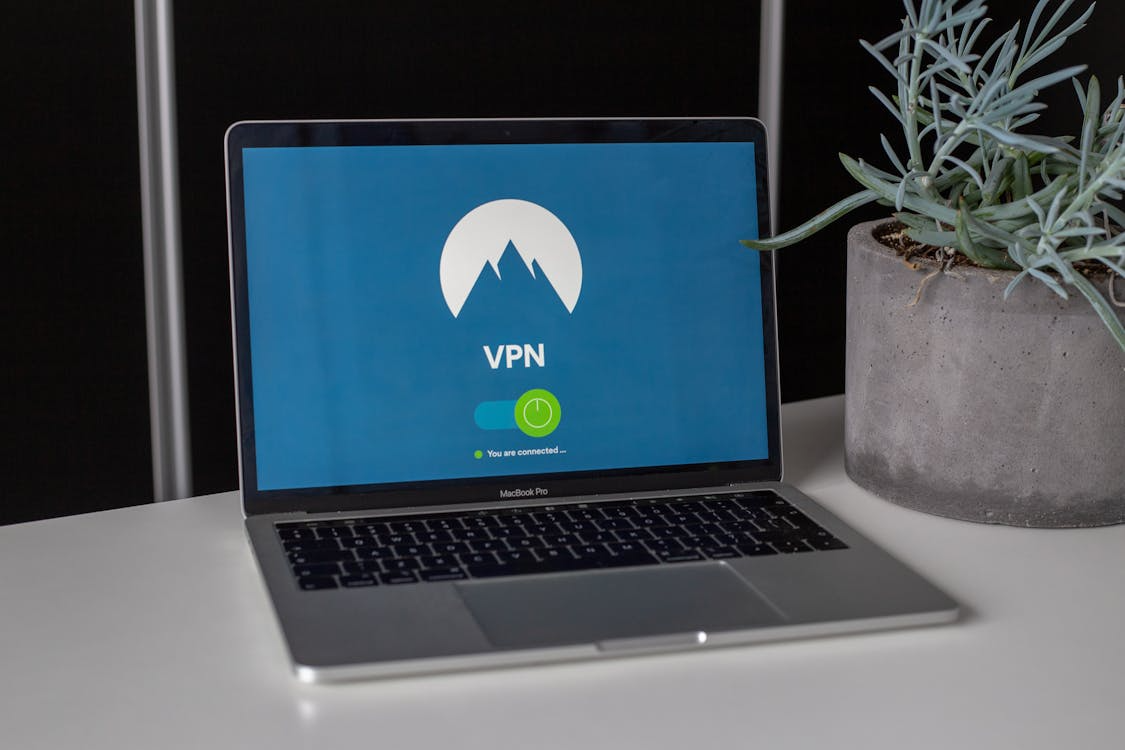
Image link https://www.pexels.com/photo/grey-and-black-macbook-pro-showing-vpn-2064586/
In a world where everything from banking to entertainment happens online, trust has become a form of digital currency. People expect their personal information to stay private, their money to remain secure, and their online experiences to be fair. For online gambling platforms, this trust isn’t earned through marketing—it’s built through strict security frameworks and compliance standards. These systems make sure players can enjoy their favorite games safely and confidently, knowing they’re protected by global regulations.
The online gambling industry is one of the most heavily regulated digital spaces in the world. Operators must follow a complex web of compliance rules, licensing requirements, and cybersecurity laws designed to safeguard players. These frameworks do more than meet government expectations—they set a high bar for fairness, transparency, and accountability.
The Role of Licensing in Digital Safety
Licensing is the foundation of any legitimate online gambling platform. Before a site can accept players or process payments, it must secure approval from a recognized regulatory body. Licensing authorities such as the UK Gambling Commission, Malta Gaming Authority, and Gibraltar Regulatory Authority are responsible for setting the rules that protect users.
A license isn’t a one-time certification. It’s an ongoing commitment. Platforms must continuously demonstrate compliance with security, fairness, and financial integrity standards to keep their license active. Regulators conduct regular audits, checking everything from game algorithms to payment systems. If a platform fails to meet these standards, its license can be suspended or revoked immediately.
For players, this means peace of mind. Licensing ensures that every aspect of gameplay—from deposits and withdrawals to data handling—is monitored under strict oversight.
Compliance Frameworks: The Backbone of Trust
Online gambling companies follow globally recognized frameworks that govern how they manage user data, secure payments, and maintain system integrity. The most common of these frameworks include:
-
ISO/IEC 27001: This international standard covers information security management. It defines how organizations should handle data, prevent breaches, and respond to cyber threats.
-
PCI DSS (Payment Card Industry Data Security Standard): This framework focuses on securing card transactions. It ensures that financial data remains encrypted, stored safely, and inaccessible to unauthorized users.
-
GDPR (General Data Protection Regulation): For companies operating in or serving users within the European Union, GDPR compliance is mandatory. It requires platforms to obtain clear user consent before collecting data and to handle that data responsibly.
By adopting these frameworks, online gambling sites show that security isn’t just a feature—it’s a continuous practice.
Building Fairness Through Auditing
Beyond security, fairness is another key pillar of trust. Licensed platforms are required to have their games independently tested and certified by recognized auditors such as eCOGRA, GLI, or iTech Labs. These third-party organizations review the software that determines game results, verifying that outcomes are random and unbiased.
Games like white wizard slots rely on Random Number Generators (RNGs) to produce unpredictable results. Auditors test thousands of spins to ensure that each outcome is statistically random and fair. Once verified, the platform receives certification, and the results are made public for players to see.
This level of transparency builds trust between the platform and its users. When players can verify the fairness of the games they’re playing, they’re more likely to return and recommend the site to others.
Transparency as a Core Value
Transparency is one of the most powerful tools in any online security framework. The best gambling platforms clearly communicate how they operate. They publish their licensing details, payout percentages, privacy policies, and audit certificates openly on their websites.
This openness helps players make informed decisions. If an operator hides its credentials or refuses to share its compliance details, that’s a warning sign. Reputable sites are proud of their certifications because they represent reliability and professionalism.
Transparency also extends to customer support. Regulated platforms are required to provide accessible support channels where players can raise concerns or file complaints. These inquiries are logged and monitored by regulators to ensure they’re handled properly.
Protecting Player Data
User protection goes far beyond fair gameplay. Licensed operators must also safeguard personal information. This includes everything from names and addresses to payment details and identification documents.
Most platforms use 128-bit or 256-bit SSL encryption to secure data transmissions. Firewalls and intrusion detection systems prevent unauthorized access, while continuous monitoring ensures threats are detected in real time.
Additionally, data retention policies are clearly defined under laws like GDPR. Operators can’t hold on to user data indefinitely or use it for unrelated purposes. Players have the right to access, modify, or delete their information at any time.
Financial Integrity and Responsible Transactions
Regulated platforms are required to separate operational funds from player balances. This means that even if a company faces financial issues, user funds remain protected and accessible.
All transactions go through verified, PCI DSS-compliant payment gateways. These systems ensure that deposits and withdrawals are processed securely. Identity verification steps also help prevent money laundering, fraud, and underage gambling.
For added transparency, regulators audit transaction records to confirm that operators handle player funds correctly. This accountability protects both the company and its users.
